|
|
Day
4 (May 13, 2026) Xi'an: Terracota Warriors
Before
Today we have to end up in Chengdu, so we will spend the morning
visiting the Terracotta Warriors site. We would need to catch the train
around noon so, depending on what time we are ready to leave, we could
have lunch before catching the train at the North Station.
Most likely we won't arrive in Chengdu with much daylight left, so we could do some night visit like, for example, to Jinli.
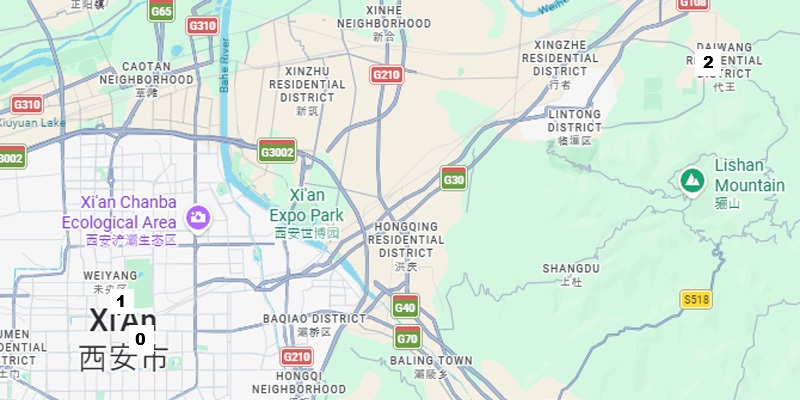
The spots marked on the map are:
0- Hotel Manxin Bell Tower
1- North Station
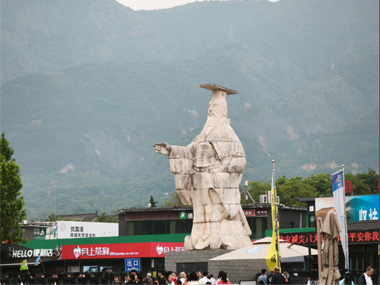
2- Terracota Warriors
|
After
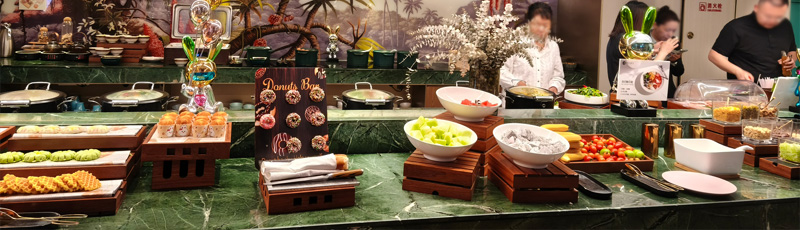
Breakfast is from 7:00 to 11:00 AM, so we go down at 7:30 AM to
find a splendid buffet. Yesterday, when I bought the tickets for the
Terracotta Warriors for 10:30 AM and checked that the journey takes
around an hour, we set 9:00 AM as our departure time from the hotel.
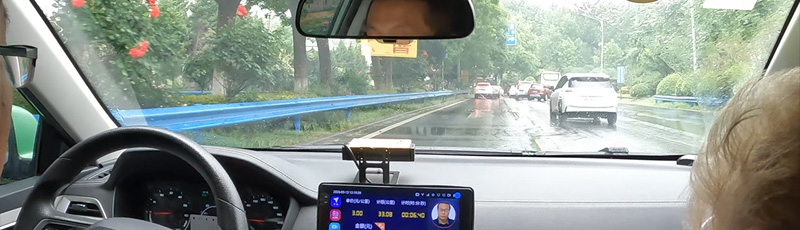
The Didi takes only 2 minutes to pick us up and, when we arrive
an hour later, I stop at the tourist office to ask and find out that we
can enter now even though it is not our time yet, and that we will have
to buy tickets for a bus that will take us to the excavation area.
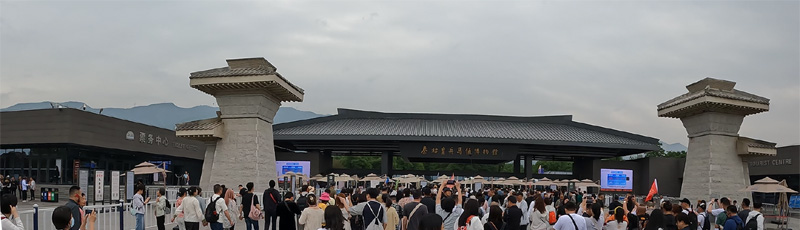
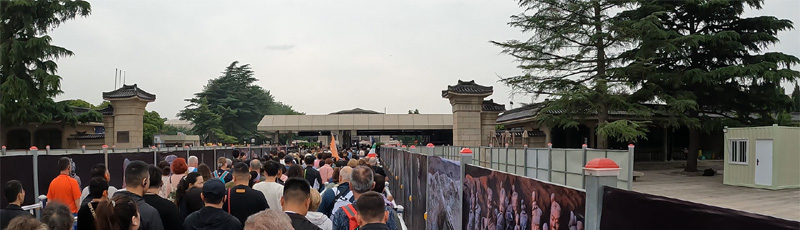
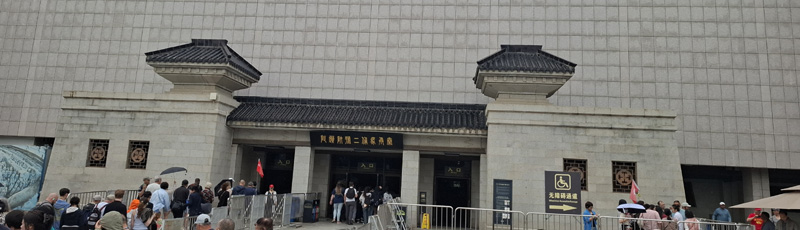
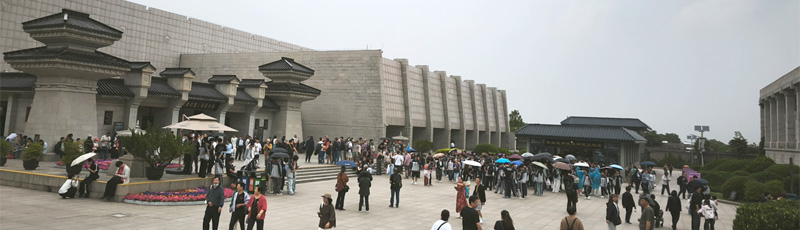
And so we do: we join the crowd gathering in several lines, one
per machine, to validate their entry. In our case, it is once again a
matter of scanning our passports and passing through.
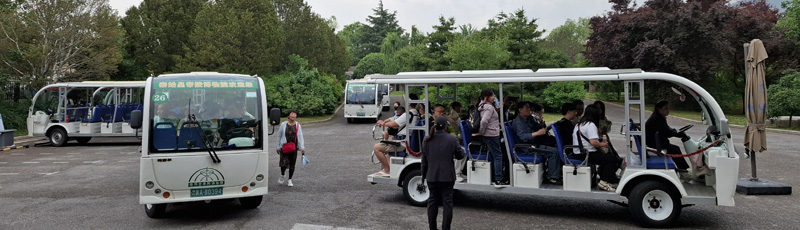
From there, we reach the bus area, where I quickly locate the
ticket office for the bus and buy our tickets for 5 yuan each.
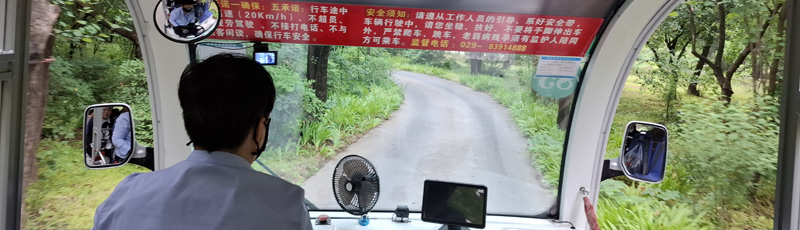
The line to fill the vehicles as they empty is much shorter than
the one at the Great Wall, and they are not really buses but a kind of
open carts.
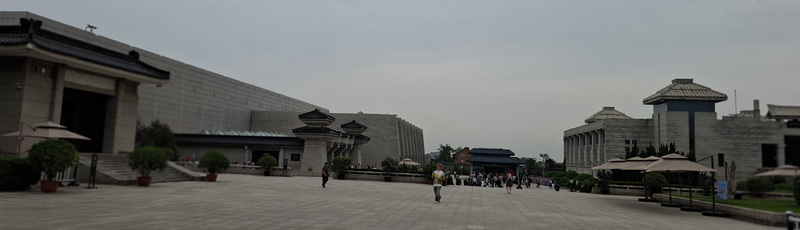
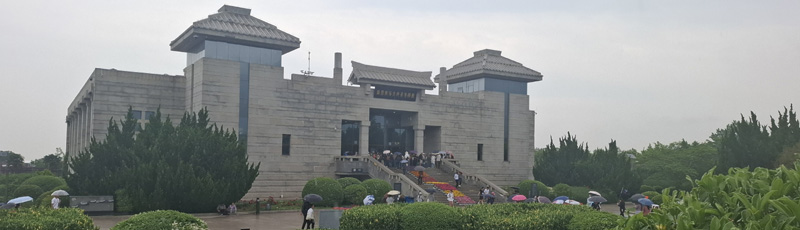
Once inside the archaeological site, we have to go through
another passport check to access the area where the pits we came to
visit are located.
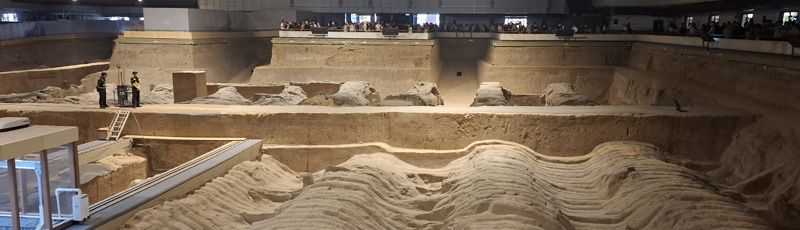
There are four in total, and the order given to us at the tourist office is: Pit 1, Pit 3, Pit 2, and the Exhibition Hall.
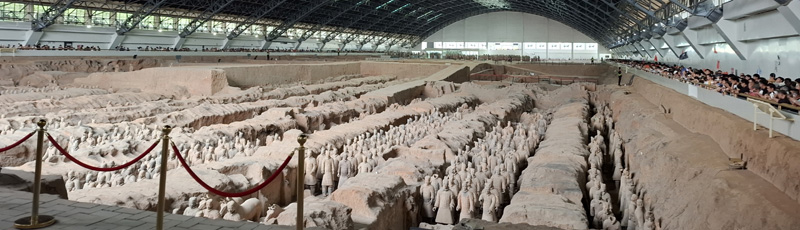
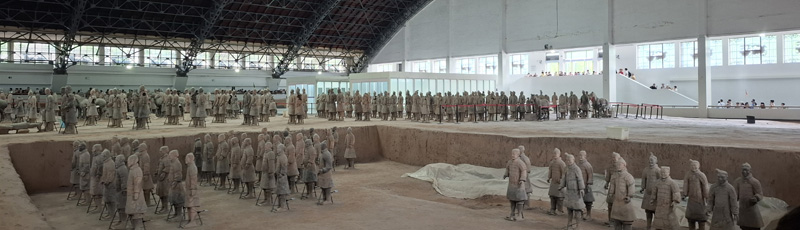
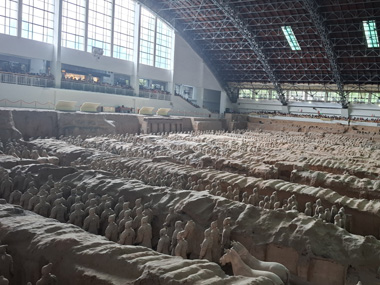
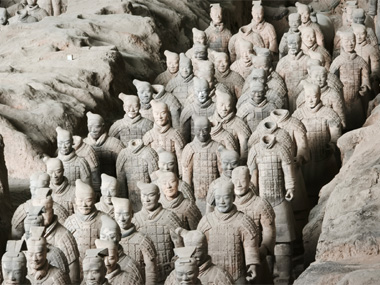
We start with Pit 1, the most popular one, with the hundreds of
warriors, all of them different. It is so crowded that not only is it
impossible to get to see the front part, but the entire perimeter is
occupied by tourists admiring the site.
We opt for the path on the right and continue along it, only stopping when we spot a gap to take photos.
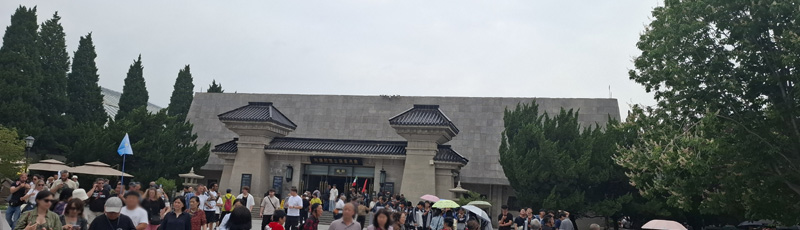
We exit on the opposite side from where we entered to reach a
square with signs for Pits 2 and 3. Following the order they gave us at
the tourist office, which defies logic, the next one to visit is Pit 3,
just before Pit 2.
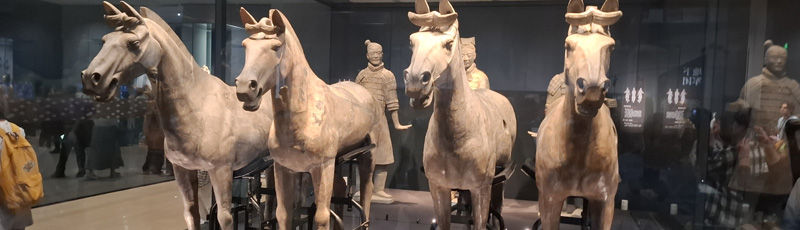
Pit 3 is small: a square enclosure with excavations containing a
few broken warriors and four well-preserved horses at the front.
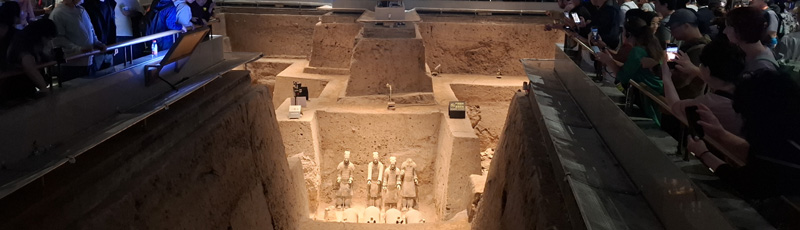
We see it quickly and come back to the previous square to follow
the signs for Pit 2. To do this, we have to retrace our steps
past Pit 1 exit until we reach the initial area where the three
pits could be seen, which we now clearly identify.
Pit 2 is large, though not as big as Pit 1, but barely any
sculptures can be seen in the excavations. We think that Pit 1 might be
enough if you have to deal with the crowd in all three and don't want
to spend too much time here.
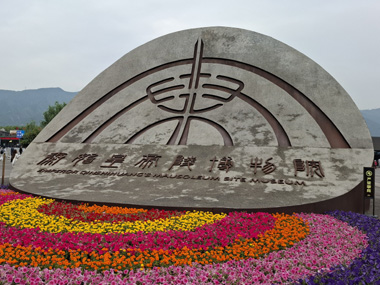
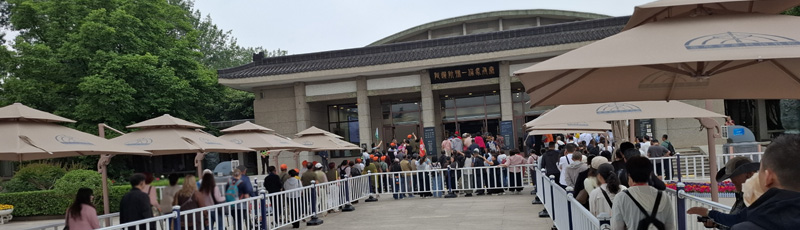
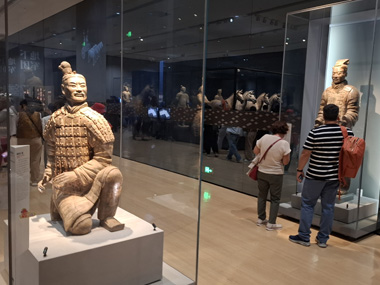
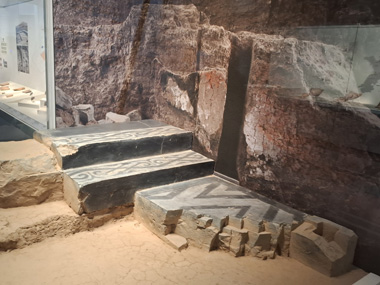
To finish, we go into the Exhibition Hall, which is a kind of museum dedicated to this gigantic mausoleum.
There are displays showing what life was like during the era of
the emperor buried here, with some rooms showcasing highly detailed
terracotta sculptures from among those found in the excavations.
We are ready to leave, but it has started to rain outside, so we visit the souvenir shop while taking shelter.
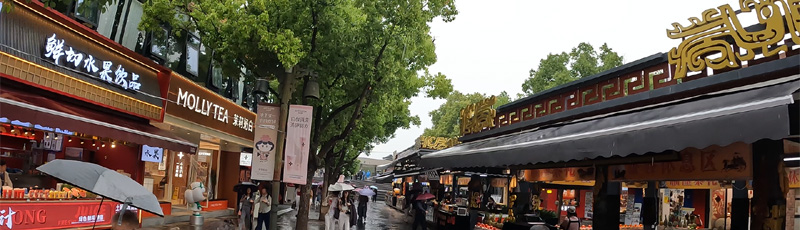
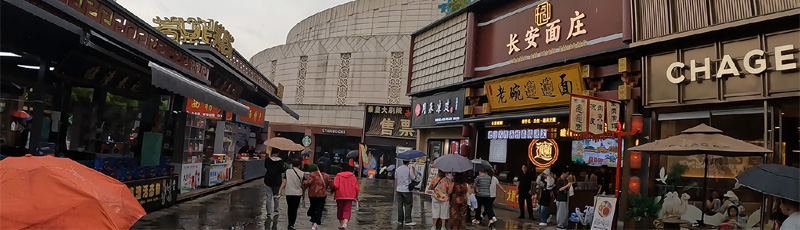
However, the rain only gets heavier, and we end up following the
exit path, which goes through a different area than the arrival one,
full of shops and restaurants.
We only stop to buy an umbrella and follow the flow of visitors
heading towards the exit until we reach the building next to the
parking lot, where we ask about the taxi zone and they point us to the
right side of that parking area.
We find one, ask the driver, and he takes us in right away. The
driver understands that our destination is the Manxin Hotel when Eva
shows him the card holding our room key, which displays the name in
Chinese.
Once on our way, he asks us, always using a translator, for the
hotel address in Chinese. I pull it up on Google and show it to him,
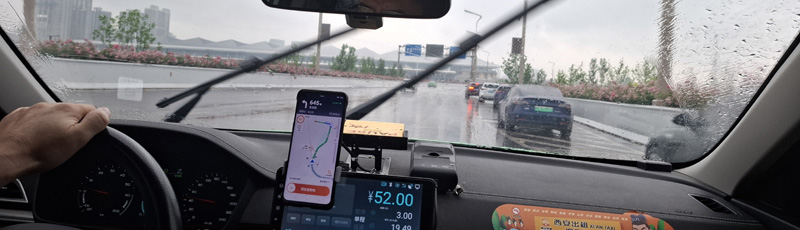
and he uses it to set the destination on his GPS. It won't stop raining
all day, though it will let up a bit by the time we arrive at the
hotel. We pay 140 yuan for the ride and, since it is 1:40 PM, we have
20 minutes to check out. Since we left our luggage practically ready,
it takes us very little time to go downstairs.
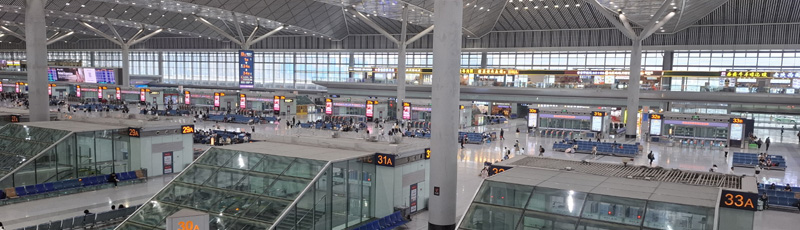
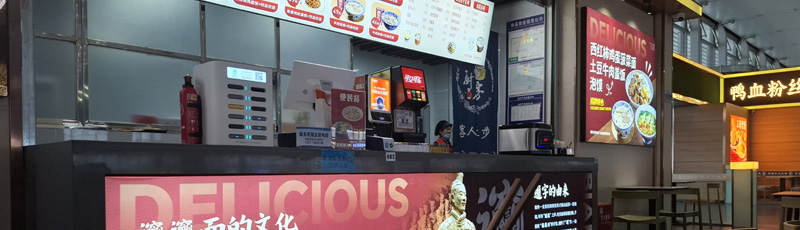
We have decided to eat at the station as a practical way to
escape the rain, so we call another Didi to the train station.
Upon arrival, they don't let us enter with just our passports
this time. The girl doesn't understand us and we don't understand her,
so she ends up calling a police officer who speaks some English and
explains to us that you cannot enter without a ticket, and he
accompanies us to the machines outside to buy ours.
I choose a train that leaves in an hour and a half to give us
time to eat, pay €35 for each ticket, and we come back so that,
finally, we can walk around the station freely. We look for a place
with "Biang biang" in the name and go up to it to delight in that dish
that we already loved yesterday.
After lunch and visiting the restroom, we head to gate B24,
which is the one they had displayed as the place to go for check-in. It
is still closed, and we have to wait until about 15 minutes before the
train's departure for them to open it and for all of us who have
gathered in front of it to enter one after the other.
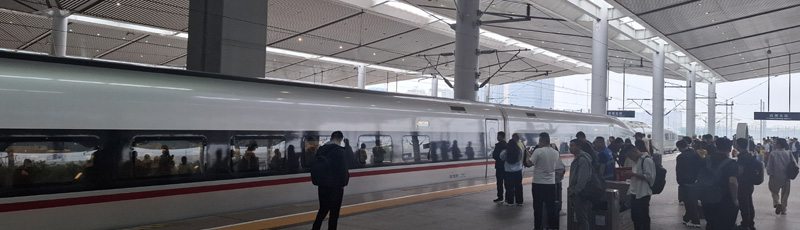
We stand by the sign with our train car number, just as we learned, and take our seats when it arrives.
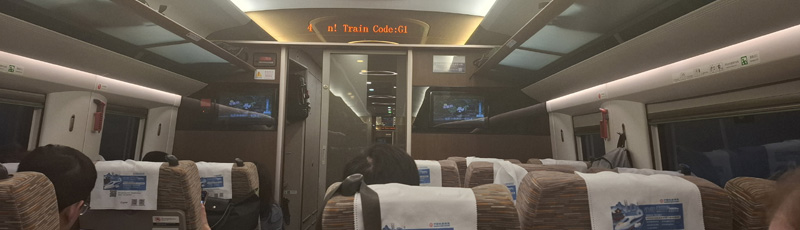
The journey takes 4 hours, during which I use my eSIM data to
watch the content I want on my usual platforms. The train arrives on
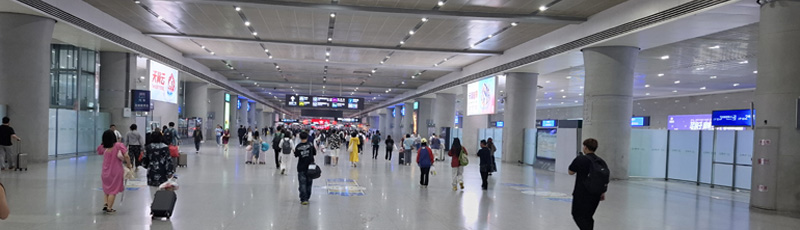
time at 9:00 PM, and upon exiting into the public area after the
routine passport control, a taxi driver offers to take us.
I show him our hotel in Chengdu, he nods, and we follow him. We
ask him how much it will cost, and he replies 100 yuan, so we close the
deal.
He drops us off in front of the hotel even though it has a
different name than the one on the reservation. The language barrier
makes check-in take longer at the hotel, but when we get to our room,
we feel the tireness of this day and fall asleep immediately.
|
|
|
|